SRD Grant R370 2026: SASSA Social Relief Application & Status Check
Overview
The SASSA Social Relief of Distress (SRD) Grant R370 is a temporary financial assistance program designed to support unemployed South Africans facing severe economic hardship. As of January 2026, the grant provides R370 per month to eligible beneficiaries, offering crucial relief for individuals with no income or financial support. Currently, the SRD Grant supports millions of South Africans (over 10 million beneficiaries) who struggle to meet their basic needs due to unemployment and economic challenges.
Originally introduced in May 2020 as the R350 grant during the COVID-19 pandemic, the grant was increased to R370 in April 2024 and has been extended until March 2026 following the government’s commitment in the National Budget Speech. The grant has become a vital lifeline for vulnerable citizens, helping them afford basic necessities including food, electricity, and transport while they search for employment opportunities.
For January 2026, SRD Grant payments are typically processed between the 25th and 30th of each month, with funds disbursed through direct bank deposits, CashSend, or collection at Retail Shops branches. Unlike other SASSA grants, the SRD Grant is reviewed monthly to verify continued eligibility, and beneficiaries don’t need to reapply each month if their circumstances remain unchanged.
Purpose
The Social Relief of Distress Grant serves several essential purposes in South Africa’s social welfare framework:
Emergency Financial Assistance: The primary purpose is to provide immediate, temporary financial support to unemployed South Africans facing extreme economic distress who have no other means of income or government assistance. The R370 monthly payment helps recipients afford essential items during their job search.
COVID-19 Economic Recovery Support: Initially designed to address pandemic-related unemployment, the grant continues to support citizens affected by the lasting economic impacts of COVID-19, including job losses, business closures, and reduced employment opportunities that persist years after the pandemic.
Poverty Alleviation: With South Africa’s unemployment rate exceeding 32%, the grant plays a critical role in preventing extreme poverty and hunger among millions of citizens who cannot find work despite actively seeking employment. The R370 can buy a bag of maize meal, cover electricity costs, or provide transport to job interviews.
Bridging Income Gaps: The grant serves as a financial bridge for unemployed individuals between jobs, helping them maintain basic living standards while searching for employment, attending interviews, or starting small businesses to generate income.
Supporting Vulnerable Populations: The grant particularly supports refugees, asylum seekers with valid permits, and special permit holders who face additional barriers to employment due to their immigration status but still need to survive within South Africa.
Reducing Household Stress: By providing consistent monthly support, the grant reduces financial stress on households, prevents debt accumulation, and allows unemployed individuals to focus on job searching and skills development rather than immediate survival concerns.
Economic Stimulus: The grant indirectly stimulates local economies as beneficiaries spend their R370 on essential goods and services from local shops, spaza stores, and informal businesses, creating demand that sustains jobs in these sectors.
Qualifications and Eligibility
To qualify for the SASSA SRD Grant R370 in 2026, applicants must meet strict criteria verified monthly through automated government database checks:
Citizenship and Residency Requirements:
- Must be a South African citizen, permanent resident, or officially recognized refugee
- Asylum seekers with valid Section 22 permits can apply
- Special permit holders from Zimbabwe, Angola, or Lesotho may qualify
- Must be residing in South Africa at the time of application and throughout the grant period
Age Requirements:
- Must be between 18 and 59 years old
- Applicants under 18 should explore the Child Support Grant through their caregivers
- Applicants who turn 60 should apply for the Old Age Grant instead
Employment and Income Requirements (Most Critical):
- Must be unemployed with no regular source of income
- Total monthly income must not exceed R624 (including any casual earnings, financial support from family, or other sources)
- Must pass the monthly means test where SASSA verifies income through bank account analysis and government database cross-referencing
Exclusion Criteria (Cannot Receive if):
- Currently receiving any other SASSA social grant for yourself (except Child Support Grant which parents can receive on behalf of children)
- Receiving Unemployment Insurance Fund (UIF) benefits or payments
- Receiving National Student Financial Aid Scheme (NSFAS) funding or stipends
- Employed by government in any capacity
- Receiving any other form of government financial assistance or social welfare
- Earning income above R624 per month from any source
Special Cases:
- Persons medically unfit to work for less than 6 months can qualify (those unable to work for 6+ months should apply for the Disability Grant)
- Caregivers receiving Child Support Grant for children can still apply for SRD Grant for themselves if they meet all other criteria
- Individuals caring for elderly or disabled family members can apply if they’re not receiving compensation for caregiving
Monthly Verification: Unlike other grants, your SRD Grant eligibility is verified monthly through automated checks with:
- Department of Home Affairs (citizenship and ID verification)
- South African Revenue Service (SARS) for income verification
- Unemployment Insurance Fund (UIF) for benefit checks
- National Student Financial Aid Scheme (NSFAS) for funding verification
- Banking institutions for income analysis and account verification
If any verification check shows you no longer qualify (e.g., you received employment income, UIF payment, or other assistance), your grant will be automatically suspended for that month.
How to Apply
The SRD Grant R370 application is fully online and can be completed from any device with internet access. There is no in-person application option at SASSA offices.
Option 1: Apply Online (Primary Method)
Step 1: Access the Official SASSA SRD Portal
Visit the official SASSA SRD application website at: https://srd.sassa.gov.za
CRITICAL WARNING: Only use the official SASSA website. Never use third-party websites, agents, or individuals claiming to help with applications for a fee. SASSA applications are completely free, and scammers often steal personal information or charge illegal fees.
Step 2: Register Your Mobile Number
- On the homepage, click “Apply for SRD Grant”
- Enter your valid South African mobile number (this number will be used for all future communication)
- The mobile number must remain active throughout your grant period
- Click “Send PIN” or “Request OTP”
Step 3: Verify Your Mobile Number
- SASSA will send a 6-digit One-Time PIN (OTP) to your mobile number via SMS
- Check your SMS inbox and enter the OTP on the website within the time limit
- If you don’t receive the OTP, wait 5 minutes and request a new one
- The OTP verifies your mobile number and creates your account
Step 4: Complete the Application Form
Once your mobile number is verified, you’ll be redirected to the full application form. Provide the following information accurately:
Personal Information:
- Your 13-digit South African ID number (must match your official ID document exactly)
- First name, surname, and date of birth (must match your ID document)
- Select your citizenship status (South African citizen, permanent resident, refugee, asylum seeker, or special permit holder)
- If you’re a refugee or asylum seeker, provide your permit number
Contact Information:
- Residential address (street address, suburb, city, postal code)
- Alternative contact number (optional but recommended)
- Email address (optional but helpful for notifications)
Employment and Income Declaration:
- Confirm you are unemployed
- Declare that you have no source of income or earn less than R624 per month
- Confirm you’re not receiving UIF, NSFAS, or any other government benefits
- Declare you’re not receiving any other SASSA grants for yourself
Step 5: Consent to Data Verification
You must consent to SASSA verifying your information with multiple government departments and financial institutions, including:
- Department of Home Affairs (identity verification)
- South African Revenue Service (income verification)
- Unemployment Insurance Fund (UIF payment checks)
- National Student Financial Aid Scheme (NSFAS funding checks)
- Banking institutions (account and income verification)
Read the terms and conditions carefully and accept them to proceed.
Step 6: Submit Banking Details (For Payments)
After completing your initial application, you’ll be prompted to provide banking details:
Bank Account Details:
- Bank name
- Account number (double-check for accuracy)
- Account type (savings, current, or transmission)
- Branch code (if required)
Alternative Payment Options:
- If you don’t have a bank account, you can select CashSend (mobile money transfer)
- You can also opt for Post Office collection
- Payment method can be updated later if needed
IMPORTANT: Verify your banking information is 100% correct. Incorrect details cause payment delays or rejections. The account must be in your name and active.
Step 7: Submit Your Application
- Review all information for accuracy
- Click “Submit Application”
- You’ll receive an SMS confirmation with a reference number
- Keep this reference number safe for tracking your application status
Processing Time: Applications can take anywhere from a few days to 3 months for initial processing, depending on verification speed and database confirmation. Most applications are processed within 2-4 weeks.
Option 2: WhatsApp Application (Alternative Method)
SASSA also offers a WhatsApp application channel for those who prefer messaging:
- Save the SASSA WhatsApp number: 082 046 8553
- Send “Hi” or “Hello” to initiate the application
- Follow the automated prompts and instructions
- Provide requested information including ID number and mobile number
- Complete the application through the WhatsApp chat interface
The WhatsApp method follows similar steps to the online application but uses a conversational interface.
Option 3: USSD Code Application (For Basic Phones)
If you have a basic phone without internet, you can apply using USSD codes:
For MTN and Vodacom Users:
- Dial *120*3210# on your phone
- Follow the menu prompts to apply
- Provide your ID number and personal information
- Complete the application through the USSD menu
For Other Networks: Check the SASSA website for network-specific USSD codes.
Option 4: Assisted Application (If You Need Help)
If you struggle with technology or don’t have internet access:
- Visit community centers, libraries, or youth centers with internet access
- Ask a trusted family member or friend to help you apply using the official SASSA website
- Contact SASSA’s toll-free helpline at 0800 60 10 11 for guidance
- Some NGOs and community organizations offer free assistance with SRD applications
NEVER pay anyone to apply for you – the application is free and straightforward.
Checking Your Application Status
After applying, you can check your SRD Grant status online at any time:
Online Status Check:
- Visit https://srd.sassa.gov.za/sc/status
- Click “Check Status” or “SRD Status Check”
- Enter your 13-digit South African ID number
- Enter your registered mobile number
- Click “Submit” or “Check Status”
- Your current status will be displayed (Pending, Approved, Declined, or Under Review)
- If approved, your payment date will be shown
WhatsApp Status Check:
- Send “Hi” to 082 046 8553
- Select “Check Status” from the menu
- Provide your ID number and mobile number
- Receive your status via WhatsApp message
USSD Status Check:
- Dial *120*3210# (MTN/Vodacom)
- Select “Check Status” from the menu
- Enter your ID number
- Receive status confirmation
SMS Status Check:
- Some networks allow you to SMS “STATUS” along with your ID number to SASSA’s SMS line
- Check the SASSA website for current SMS options
Payment Dates and Methods 2026
SRD Grant payments for January 2026 are processed between 25-30 January 2026, following SASSA’s standard monthly payment schedule for the SRD Grant.
Payment Amount: R370 per month (as of 2026)
Payment Methods:
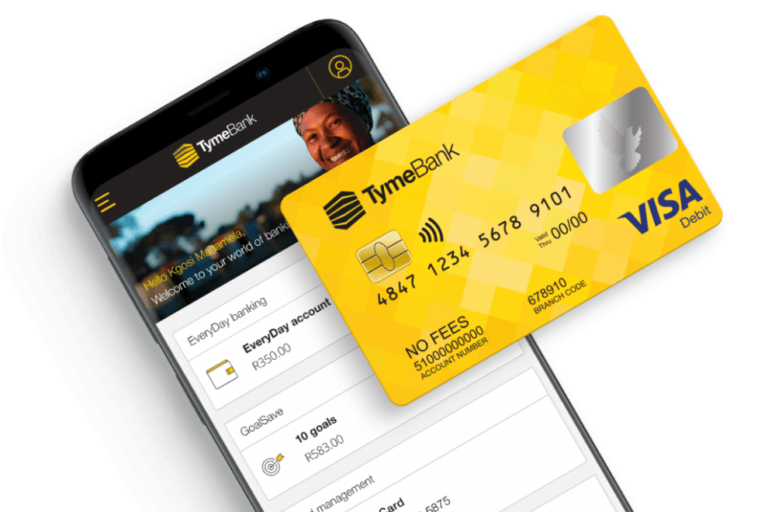
1. Direct Bank Deposit (Most Common and Recommended):
- Funds deposited directly into your verified bank account
- Usually processes within 2-3 business days after approval
- Most secure and convenient option
- Requires accurate banking details on file
2. CashSend (For Those Without Bank Accounts):
- Mobile money transfer sent directly to your cellphone
- Receive an SMS with a voucher code
- Withdraw cash at any participating ATM or retailer
- No bank account required
- Small withdrawal fees may apply
3. Post Office Collection:
- Collect cash at any South African Post Office branch
- Bring your ID document and grant reference number
- Available at Post Offices nationwide
- May have queues during peak collection times
How to Update Payment Method:
- Visit the SASSA SRD portal
- Log in using your ID and mobile number
- Navigate to “Payment Details” or “Banking Details”
- Update your bank account information or change payment method
- Submit and wait for verification
Payment Schedule:
- Payments typically process on the last week of each month (25th-30th)
- Once approved, you should receive payments monthly as long as you remain eligible
- Check your payment date by logging into the SRD status portal
Appeals Process (If Application Is Declined)
If your SRD Grant application is declined, you have the right to appeal within 30 days of receiving the decline notification:
Step 1: Understand Why You Were Declined
Check your status online to see the decline reason:
- Income too high (earnings above R624)
- Receiving other government benefits (UIF, NSFAS, other grants)
- Bank account verification failed
- Identity verification failed
- Already receiving another social grant
- Data mismatch between government databases
Step 2: Submit an Appeal Online
- Visit https://srd.sassa.gov.za
- Click “Appeal” or “Lodge an Appeal”
- Enter your ID number and mobile number
- Select the reason for your appeal
- Provide any supporting documentation if needed
- Submit your appeal
Step 3: Wait for Appeal Review
- Appeals are typically reviewed within 30-60 days
- You’ll receive an SMS notification once the appeal is decided
- If successful, payments will be backdated to your original application date
Step 4: Reapply if Appeal Fails
If your appeal is unsuccessful and your circumstances have changed (e.g., you lost your job, UIF ended), you can submit a new application.
Common Issues and Solutions
Issue 1: Application Status Shows “Pending” for Months
- Solution: Contact SASSA helpline at 0800 60 10 11 for manual review
- Sometimes identity verification gets stuck and requires manual intervention
Issue 2: “Bank Details Pending” or “Bank Verification Failed”
- Solution: Update your banking details on the SRD portal
- Ensure the account is in your name, active, and correctly entered
- Request a bank-generated confirmation letter to verify details
Issue 3: “Identity Verification Failed”
- Solution: Visit your nearest Department of Home Affairs to update your ID records
- Ensure your ID is not expired or flagged in the system
Issue 4: Payment Delayed or Not Received
- Solution: Check your status online first – payment may still be processing
- Verify your banking details are correct
- Contact your bank to ensure they’re not blocking SASSA deposits
- Call SASSA helpline for investigation
Issue 5: Mobile Number Changed
- Solution: You must update your mobile number on the SRD portal
- Go to the SASSA office with your ID if unable to update online
- Your mobile number is critical for all communication
Monthly Verification and Ongoing Eligibility
No Need to Reapply Monthly: Once approved, you don’t need to reapply each month. Your eligibility is automatically verified monthly through government database checks.
Monthly Verification Checks: SASSA automatically verifies each month:
- Your bank account activity (checking for income above R624)
- UIF system (checking for UIF payments)
- NSFAS database (checking for student funding)
- SARS records (checking for employment income)
- Other SASSA grant systems (checking for duplicate grants)
What You Must Do:
- Keep your mobile number active and updated
- Report any changes in circumstances immediately (new job, UIF received, other grant awarded)
- Maintain your banking details current
- Ensure you still meet eligibility criteria each month
What Happens If Circumstances Change:
- Got a job: Your grant will automatically suspend when SASSA detects income
- Received UIF: Grant suspends until UIF ends
- Started receiving NSFAS: Grant suspends while receiving student funding
- Turned 60: Grant ends – apply for Old Age Grant
You can reapply when circumstances change back (e.g., UIF ends, lost job, NSFAS finishes).
Grant Extension and Future Outlook
Current Extension: The SRD Grant is confirmed to run until March 2026 following the government’s budget announcement.
Future Possibilities:
- Government officials are discussing potentially converting the SRD Grant into a permanent Basic Income Grant (BIG)
- Decisions about post-March 2026 will be announced in the February 2026 National Budget Speech
- Beneficiaries should monitor SASSA announcements for updates
Reconfirmation Requirement: Some beneficiaries may need to reconfirm their details every 3 months to maintain eligibility – SASSA will notify you via SMS if this applies to you.
Related SASSA Grants
If you’re unemployed and caring for children, you can receive both the SRD Grant R370 and the Child Support Grant (R530 per child) simultaneously, as the Child Support Grant is for the child’s benefit, not yours.
If you turn 60 years old while receiving the SRD Grant, you must stop receiving it and apply for the Old Age Grant instead, which provides R2,315-R2,335 per month with no means test for employment income.
If you’re medically unfit to work for 6 months or longer, consider applying for the Disability Grant, which provides R2,315 per month and is not limited to short-term unemployment.
For caregivers with children who have severe disabilities, the Care Dependency Grant provides R2,320 per month and can be received alongside the SRD Grant if you’re the unemployed caregiver.
Grandparents or relatives fostering children through court orders can receive the Foster Care Grant (R1,250 per child) alongside the SRD Grant if they’re unemployed.
Military veterans should apply for the War Veteran Grant, which provides R2,335 per month regardless of age or employment status if you served in recognized conflicts.
For families with multiple children needing support, explore the Child Support Grant Top-Up for additional financial assistance beyond standard child support.
If you become permanently disabled while receiving the SRD Grant and also require full-time care, apply for both the Disability Grant and Grant in Aid for combined support of R2,875 per month.
Frequently Asked Questions
Do I need to reapply every month? No, once approved, your eligibility is verified automatically each month. You only reapply if your grant ends or is cancelled.
Can I work part-time while receiving the SRD Grant? Only if your total monthly income stays below R624. Any income above this will disqualify you for that month.
What if I get a temporary job? Your grant will automatically suspend when SASSA detects income. You can reapply when the job ends and you’re unemployed again.
Can students apply? Only if you’re not receiving NSFAS or any other student financial aid. Students without funding who are unemployed can qualify.
Can refugees apply? Yes, officially recognized refugees with valid documentation can apply. Asylum seekers need valid Section 22 permits.
How long does the first application take? Initial applications can take 2-12 weeks depending on verification processes. Most are processed within one month.
What if I don’t have a bank account? You can use CashSend or Post Office collection as alternative payment methods.
Can I receive SRD Grant and Child Support Grant? Yes, parents can receive the Child Support Grant for their children while also receiving the SRD Grant for themselves.
What happens when I turn 60? Your SRD Grant ends. You should immediately apply for the Old Age Grant which provides higher benefits.
Can I appeal multiple times? You can appeal each decline once. If appeals fail, wait until your circumstances genuinely change before reapplying.
Contact SASSA
- Toll-Free Number: 0800 60 10 11 (Monday to Friday, 8:00 AM – 4:00 PM)
- WhatsApp: 082 046 8553
- SRD Application Website: https://srd.sassa.gov.za
- SRD Status Check: https://srd.sassa.gov.za/sc/status
- Email: [email protected]
- Main SASSA Website: www.sassa.gov.za
- Physical Address: 501 Prodinsa Building, Corner Beatrix and Pretorius Street, Pretoria
For Technical Support:
- Email: [email protected]
- Only contact through official channels – beware of scammers
The SRD Grant R370 provides essential temporary support for unemployed South Africans during difficult economic times. While R370 per month may seem modest, it makes a meaningful difference in helping vulnerable citizens afford basic necessities while searching for employment opportunities. Stay informed about payment dates, keep your information updated, and report any changes in circumstances to ensure continuous support.