SASSA Disability Grant 2026: Eligibility, Application & Payment Schedule
Overview
The SASSA Disability Grant is a critical social assistance program designed to provide financial support to South Africans living with disabilities that prevent them from working. As of January 2026, the grant provides R2,315 per month to eligible beneficiaries aged 18 to 59 years. Currently, SASSA supports over 1 million South Africans through the Disability Grant program, making it one of the most important lifelines for people with physical, mental, or intellectual disabilities.
For January 2026, Disability Grant payments were disbursed on Wednesday, January 7, 2026, following the standard monthly payment schedule. The grant operates on a sliding scale, meaning that beneficiaries with some private income receive proportionally reduced amounts based on their earnings.
The Disability Grant can be awarded as either a temporary grant (for disabilities lasting 6-12 months) or a permanent grant (for disabilities lasting longer than 12 months). However, even permanent grants are subject to periodic reviews by SASSA to ensure continued eligibility.
Purpose
The Disability Grant serves several essential purposes for South Africans living with disabilities:
Income Replacement for Those Unable to Work: The primary purpose is to provide monthly financial assistance to individuals whose disabilities prevent them from earning a living through employment, replacing the income they cannot generate.
Meeting Basic Needs: The grant helps beneficiaries cover essential living expenses including food, clothing, shelter, utilities, and personal care items that able-bodied individuals would typically fund through employment.
Access to Medical Care and Medication: Many beneficiaries use the grant to purchase necessary medications, attend medical appointments, and cover ongoing healthcare costs related to their disabilities. This is especially critical for conditions requiring continuous treatment.
Maintaining Dignity and Independence: By providing financial resources, the grant enables people with disabilities to maintain a degree of independence and dignity rather than becoming entirely dependent on family members or charitable organizations.
Reducing Disability-Related Poverty: The grant plays a vital role in preventing people with disabilities from falling into extreme poverty, recognizing that disability often creates additional expenses while limiting income-earning opportunities.
Supporting Caregivers and Families: In many cases, the grant indirectly supports family members who provide care for disabled relatives, helping to ease the financial burden on entire households.
Qualifications and Eligibility
To qualify for the SASSA Disability Grant in 2026, applicants must meet stringent medical, financial, age, and residency requirements:
Age Requirements:
- Must be between 18 and 59 years of age
- Applicants under 18 with severe disabilities should apply for the Care Dependency Grant instead
- Applicants who turn 60 automatically transition to the Old Age Grant
Citizenship and Residency Requirements:
- Must be a South African citizen, permanent resident, or officially recognized refugee
- Must be residing in South Africa at the time of application
- Cannot be cared for in a state-funded institution (those in state facilities receive only 25% of the grant amount)
Medical Requirements:
- Must have a physical, mental, or intellectual disability that makes you unfit to work
- The disability must be certified by a medical doctor appointed by SASSA or the state
- For temporary grants: disability must last 6-12 months continuously
- For permanent grants: disability must last longer than 12 months
- Medical assessment report must be dated within 3 months of application (reports older than 90 days are not accepted)
Income Means Test (2026):
- Single persons: Annual income must not exceed R107,880 (R8,990 per month)
- Married persons: Combined annual income must not exceed R215,760 (R17,980 per month)
Asset Test (2026):
- Single persons: Total assets cannot exceed R1,524,600
- Married persons: Combined assets cannot exceed R3,049,200
Assets include property (excluding your primary residence), savings, investments, vehicles, and outstanding loans owed to you.
Additional Restrictions:
- Cannot be receiving any other social grant for yourself (though you can receive grants on behalf of children or dependents)
- Cannot be receiving any other form of social welfare assistance from the state
- Must not be earning income that exceeds the means test thresholds
Important Note: The Disability Grant operates on a sliding scale. If you have some private income, your grant amount will be reduced proportionally. The more income you earn, the smaller your grant amount will be, ensuring that those with the least financial resources receive the maximum support.
How to Apply
The Disability Grant application process requires in-person attendance at a SASSA office due to mandatory medical assessments and biometric verification requirements.
Option 1: Apply at SASSA Offices (Standard Application)
Step 1: Obtain a Medical Assessment
Before visiting SASSA, you must first undergo a medical assessment:
- Visit your local clinic or hospital and request a medical assessment for SASSA Disability Grant purposes
- A doctor appointed by the state will examine you and assess the severity and duration of your disability
- The doctor will complete a medical report and functional assessment form confirming your disability
- This medical report must be dated within 3 months (90 days) of your SASSA application
- Bring along any previous medical records, specialist reports, or documents related to your condition to the assessment
Alternative Medical Assessment: If no doctor is available in your area, SASSA may arrange an assessment panel consisting of medical professionals (nurses, psychologists, social workers) and community leaders (magistrates, religious leaders, traditional leaders) to evaluate your condition.
Step 2: Gather Required Documents
Prepare all necessary documents before visiting SASSA:
- Your official South African ID document (Smart ID preferred with digital photo)
- If you don’t have an ID: Complete an affidavit on standard SASSA format at a police station, confirmed by a reputable person (councillor, traditional leader, social worker, minister of religion, or school principal) who can verify your identity
- Medical report and functional assessment report confirming your disability (must be within 3 months)
- Proof of marital status (marriage certificate, divorce decree, or death certificate if widowed)
- Proof of income from all sources (payslips, pension statements, bank statements for the last 3 months)
- If unemployed: UIF registration book, discharge certificate from previous employer, and an affidavit stating you are unemployed
- Bank account details and statements (or Post Office account details)
- Proof of residence (utility bill, lease agreement, or affidavit from traditional leader – not older than 3 months)
- If married: Your spouse’s ID and income documentation
Step 3: Visit Your Nearest SASSA Office
- Locate your nearest SASSA office using the SASSA website or by calling 0800 60 10 11
- Visit during operating hours (Monday to Friday, 8:00 AM to 4:00 PM)
- Arrive early, as offices can be very busy, especially at month-end
- Some service points are only open on certain days – confirm opening times before visiting
Step 4: Complete the Application
- Request a Disability Grant application form from the SASSA official at the Help Desk
- Complete the form in the presence of a SASSA officer who will assist you if needed
- Submit all required documents (originals and certified copies)
- SASSA will take your fingerprints for biometric verification
- Receive a dated, stamped receipt with the name of the SASSA official who assisted you – keep this as proof of application
- The application process is completely FREE – do not pay anyone to assist with your application
Step 5: Medical Review by SASSA
After submission:
- The SASSA officer sends your medical certificate with the application form to SASSA’s medical officers
- Medical officers at SASSA headquarters review your medical assessment
- They determine whether they agree with the doctor’s assessment of your disability
- If they disagree, your application will be declined, and you have the right to appeal
- This medical review process is separate from your initial medical assessment
Step 6: Application Processing
Applications typically take up to 3 months (90 days) to be processed. During this time:
- SASSA verifies all your documents and information
- They cross-reference your details with other government databases (SARS, UIF, Department of Home Affairs)
- They may conduct income and asset verification
- You may be contacted for additional information or documentation
Step 7: Receive Notification and First Payment
- You’ll receive notification via SMS, mail, or at your nearest SASSA office once your application is approved or rejected
- If approved, payments are backdated to your application date
- You’ll receive all outstanding payments from when you first applied
- Future payments will be made monthly on the designated Disability Grant payment date (typically the second business day of each month)
Option 2: Assisted Application (If Unable to Apply in Person)
If you are too sick, severely disabled, or unable to visit a SASSA office yourself:
- A family member, friend, or trusted person can apply on your behalf using a Power of Attorney
- You’ll need a letter from your doctor explaining why you cannot apply in person due to your disability
- The appointed person must bring their own valid ID document
- All your required documents must still be submitted
- The application form will be completed by the appointed person with assistance from SASSA officials
Important: Even with assisted applications, the applicant still needs a valid medical assessment dated within 3 months.
Online Services (Limited)
No Online Application Available: The Disability Grant cannot be applied for online. All applications must be submitted in person at SASSA offices because of the mandatory medical assessment and biometric verification requirements.
However, SASSA does offer limited online services:
Check Application Status:
- Call the SASSA toll-free number: 0800 60 10 11
- Visit www.sassa.gov.za for general information
Download Forms and Information:
- Visit the SASSA website to download informational guides
- Find your nearest SASSA office location
- View payment schedules and dates
Important: Be extremely cautious of scammers claiming they can process online applications or expedite your application for a fee. SASSA does not charge any fees, and all applications must be done in person at official SASSA offices.
Payment Dates and Methods 2026
For January 2026, Disability Grant payments were made on Wednesday, January 7, 2026. Payments typically occur during the first week of each month, usually on the second or third business day.
Payment Methods:
- Direct Bank Deposit: Money is deposited directly into your verified bank account (most secure and convenient option)
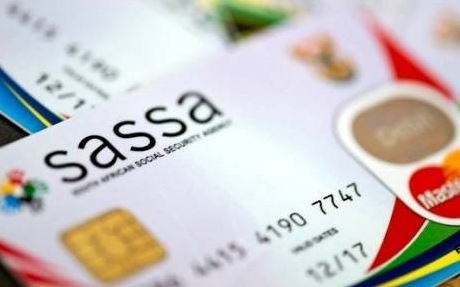
- SASSA Gold Card: Use your SASSA card to withdraw cash at ATMs, participating retailers (Shoprite, Checkers, Pick n Pay, Boxer), or Post Office branches
- Cash at SASSA Pay Points: Collect cash at designated payment points on specified payment dates
- Post Office: Withdraw your grant at Post Office branches (availability may vary by location)
Beneficiaries should keep their banking details and contact information current to avoid payment delays or suspensions.
Temporary vs Permanent Disability Grants
Temporary Disability Grant:
- Awarded when disability is expected to last 6-12 months
- Must reapply before the grant expires if condition continues
- Requires new medical assessment for reapplication
- Cannot be extended beyond 12 months without reapplication
Permanent Disability Grant:
- Awarded when disability is expected to last longer than 12 months
- Does not mean you receive the grant for life – “permanent” refers to the disability duration, not the grant itself
- Subject to periodic reviews by SASSA (typically every 1-5 years depending on your condition)
- SASSA may require updated medical assessments during reviews
- Grant continues as long as you remain eligible
Transitioning at Age 60: When you turn 60, your Disability Grant automatically ends, and you must apply for the Old Age Grant, which has similar payment amounts but different eligibility criteria.
Grant Reviews and Reassessments
SASSA periodically reviews all Disability Grants to ensure continued eligibility:
- You may receive a notification requesting updated medical information
- SASSA may require you to undergo a new medical assessment
- Reviews check whether your disability status has changed
- Income and asset reviews verify you still meet financial thresholds
- Failure to respond to review requests can result in grant suspension
- Always keep SASSA informed of changes in your condition, income, marital status, or residence
Related SASSA Grants
If you require full-time care due to your disability, you may qualify for the Grant in Aid, which provides an additional R530 per month on top of your Disability Grant.
Parents or caregivers of children with severe disabilities should apply for the Care Dependency Grant, which provides R2,180 per month for children requiring full-time care.
If you’re receiving the Disability Grant and caring for children, you can also apply for the Child Support Grant to receive R530 per child per month.
For individuals who served in recognized wars and have disabilities, the War Veteran Grant may provide higher benefits at R2,335 per month.
If you’re temporarily unable to work but don’t qualify for the Disability Grant, consider applying for the SRD Grant R370 for short-term relief.
For children placed in foster care who also have disabilities, foster parents can receive both the Foster Care Grant and the Care Dependency Grant simultaneously.
Frequently Asked Questions
Can I work while receiving the Disability Grant? Yes, but your total income must remain below the means test threshold (R8,990 per month for single persons). The grant operates on a sliding scale, so your grant amount will be reduced based on your earnings.
What if my application is rejected? You have 90 days to lodge an appeal. Visit your nearest SASSA office or use the appeals process outlined in your rejection letter. Ensure you understand the reason for rejection before appealing.
How long does the application process take? The standard processing time is up to 3 months (90 days) from the date of application submission.
Can I receive the Disability Grant and another grant simultaneously? You cannot receive another personal grant (like the Old Age Grant), but you can receive grants on behalf of dependents like the Child Support Grant or Foster Care Grant.
What happens if my condition improves? You must inform SASSA immediately if your condition improves significantly or if you become able to work. Failure to report changes can result in fraud charges and repayment demands.
Do I need to reapply every year? No, once approved for a permanent grant, it continues automatically. However, SASSA conducts periodic reviews and may request updated documentation.
Can refugees apply? Yes, officially recognized refugees with proper documentation can apply for the Disability Grant.
What if I don’t have a bank account? You can receive payments through a SASSA gold card, which can be used at ATMs, retailers, or Post Offices.
Contact SASSA
- Toll-Free Number: 0800 60 10 11
- SMS Line: 32248 (Type “STATUS” for payment information)
- Website: www.sassa.gov.za
- Physical Address: 501 Prodinsa Building, Corner Beatrix and Pretorius Street, Pretoria
- Operating Hours: Monday to Friday, 8:00 AM – 4:00 PM
- Email: [email protected]
For orphaned children or those from low-income families, caregivers should explore the Child Support Grant Top-Up, which provides additional financial assistance beyond the standard child support amount.


One Comment
Comments are closed.